Loch Lomond and the Trossachs National Park - Welcome

Core Paths Plan

The preparation of a Core Paths Plan is a statutory duty for the National Park Authority under Sections 17-20 of the Land Reform (Scotland) Act 2003.
 
The National Park Authority Access team submitted the Draft Core Paths Plan, along with outstanding objections, to the Scottish Government in September 2009 and the four objections were forwarded to the Reporters Unit for local enquiry. The enquiry process was completed in February 2010 with the reporter deciding the Core Paths Plan should remain unchanged.
 
Consequently the National Park Authority has received approval from Scottish Ministers and has been directed to adopt the Core Paths Plan. The Core Paths Plan will be presented at the 23 June 2010 Board meeting for adoption.
 
The Core Paths Plan will form the basis for further improvements to non-motorised access opportunities across the area.
 

Purpose of the Plan

The Land Reform Act requires that core paths should provide the basic framework of access routes sufficient for the purposes of providing reasonable access throughout the Park area. This basic framework will also link with, and support, wider networks of other paths. The National Park's proposed core paths have been selected from the network of paths in the Park, and are the essential paths that provide the means by which the public can access the area. You may have contributed to the gathering of this information through earlier consultation and local events.

The benefits of establishing core paths are simple in that most people taking access in the outdoors do so by following paths and a network of formally identified routes makes for easier, more enjoyable, access opportunities for everyone. In this way it is hoped that core paths will assist landowners in managing access over their land and will receive resources to help maintain them and in some cases upgrade them.

What Are Core Paths?

The essential paths that people need to get about their area and enjoy the outdoors. They can include waterways as well as paths and apply to everyone, including walkers, canoeists, horse-riders and cyclists. Most of the proposed core paths already exist and are already being used by the public.

Core Paths:

  • Will form a network across the National Park area and should provide for a variety of recreational and everyday uses for all ages and abilities.
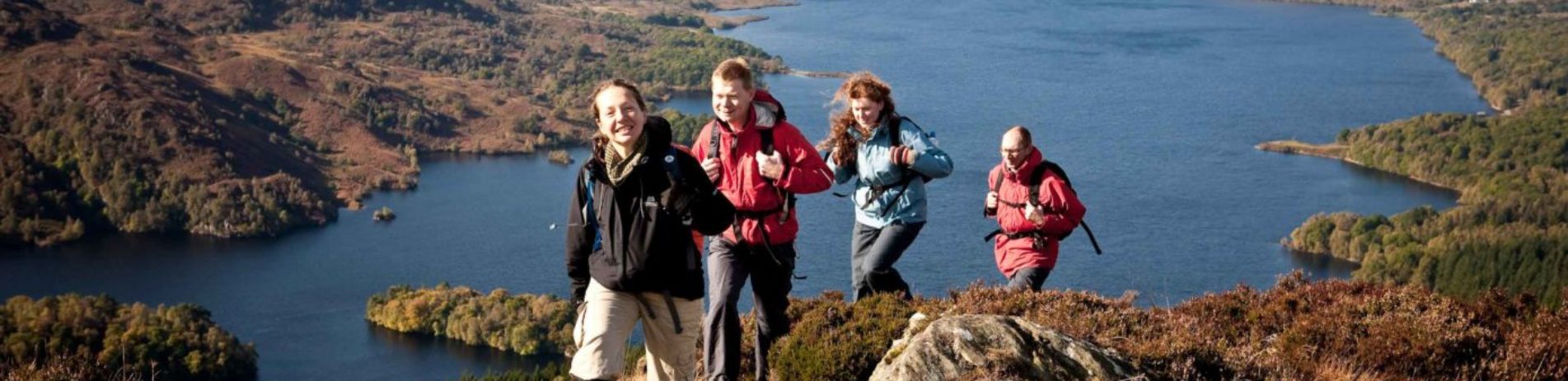
  • Will provide opportunities for walking, cycling, horse-riding, canoeing, getting to the shops and work or simply enjoying the scenery.
  • Can be rights of way, sign-posted paths, cycle-ways, footways or any other routes that provide access to the places you want to go.

Choosing Core Paths

Over the last five years the Park Authority has gathered local knowledge and opinion at community drop-in consultations and our informal consultation last summer. You may have attended one of these events.

This initial information was collated to produce a list of paths for assessment using selection criteria. The selection criteria were developed in consultation with the National Park Local Access Forum and using national guidance.

The proposed core paths scored above average in at least six of the following criteria:

  • Identified by the local community
  • Provide for a specific recreational use
  • Offer opportunities to enjoy the Park's special qualities
  • Are promoted and offer potential economic benefits
  • Linked to public transport
  • Provide a functional link to shops, school etc
  • Provide links between communities
  • Are close to settlements or visitor destinations
  • Link to wider access networks
  • Balances landowners' interests with access rights


The Draft Core Paths Plan was produced in June 2007 and the informal consultation of that document lasted eight weeks. The responses from that consultation were taken into account, and amendments made where required in the production of the Formal Consultative Draft.

Back