Loch Lomond & The Trossachs Landscape Connections: Nine Months of Building the Foundations for People and Nature
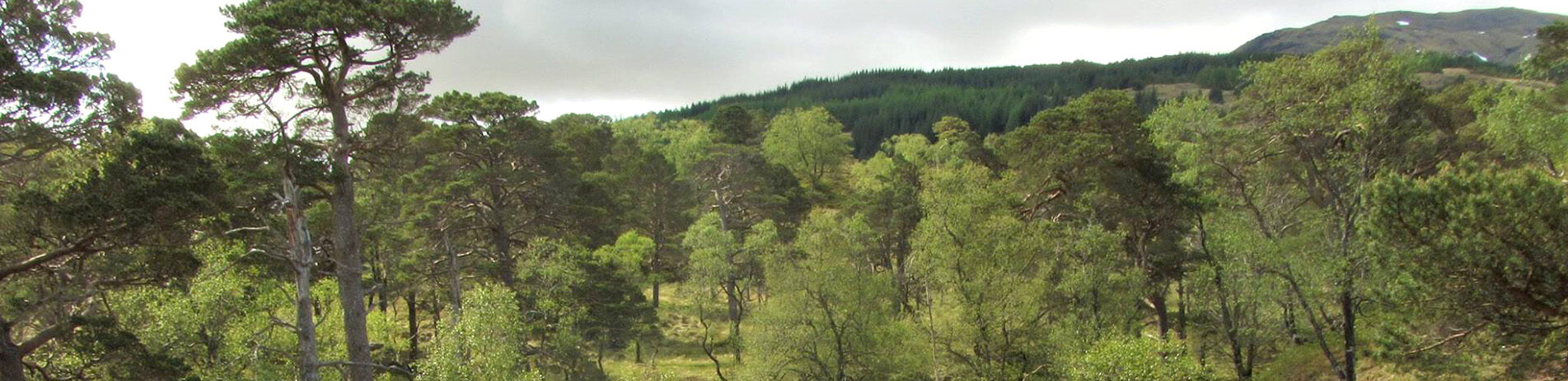
Nine months ago, the National Park Authority, RSPB Scotland and Loch Lomond & The Trossachs Countryside Trust secured development funding from The National Lottery Heritage Fund for Loch Lomond & The Trossachs Landscape Connections, an ambitious partnership to restore and reconnect some of Scotland’s rarest woodland habitats within the National Park, while creating new opportunities for people, communities and local businesses through learning, skills development and nature recovery.
The initiative is one of eight across the UK receiving National Lottery Heritage Fund support to develop long-term plans for landscape-scale nature restoration.
In the National Park, that initial Development Phase funding is helping build the foundations for the future Delivery Phase across eleven interconnected programmes spanning three distinct landscape areas. If successful, the work now underway could unlock up to £9.2 million for an eight-year programme that will help reverse nature loss, strengthen climate resilience and create lasting benefits for future generations.
People at the Heart of Restoration
What has become increasingly clear during the Development Phase is that restoring nature starts with people.
One example can be found in ‘Growing Our Future’, one of the eleven programmes within the Landscape Connections initiative. Across the National Park, we’re aiming to build a network of local nurseries, growers and expertise to provide the native trees and plants needed for future woodland restoration while creating opportunities for volunteering, learning and skills development.
Glenfalloch Tree Nursery is already well established and has been growing native trees for landscape-scale restoration in the north of the Park, while the new Lomond Plant Nursery is building on that knowledge, trialling different growing methods and species to support restoration in the years ahead. As the network develops, the nurseries can become community hubs where people play an active role in nature recovery, learn about woodland restoration and build stronger connections with nature, each other and their local landscape.
Landscape Connections is also exploring future pathways into green careers through placements, apprenticeships and training opportunities, while looking at how improved access, interpretation and visitor experiences can help more people connect with woodland habitats and build a deeper understanding of the importance of restoring them.
Nature Recovery in Practice
Stuckendroin, a reserve managed by RSPB Scotland within the woodland restoration zone, offers a glimpse of how the Landscape Connections approach could work in practice.
Woodland regeneration, deer management, sustainable venison, grazing practices and temperate rainforest restoration may appear to be separate challenges, but they are closely connected. Effective sustainable deer management can create better conditions for woodland recovery, while stronger local venison markets can help make that management more economically viable. As woodland habitats recover, they can support biodiversity, improve climate resilience and create wider benefits for local communities.
Landscape Connections is exploring how these links can be strengthened so that environmental, social and economic benefits reinforce one another rather than being delivered in isolation.
Shaping the Future Together
Communities and partnerships are central to the way Landscape Connections is being developed.
Local Place Plans, which help communities identify priorities and aspirations for the future of their area, have provided valuable insight during the development phase. More than 450 community priorities have already been reviewed, with skills and employment, nature restoration, climate resilience and community participation emerging as recurring themes. Rather than asking communities to support a pre-designed initiative, Landscape Connections is helping ensure those priorities influence future delivery.
The National Park’s Future Nature Route Map and wider partnership network are also helping bring together local knowledge, professional expertise and lessons from previous restoration projects to shape the initiative from the outset. Closer working between the three lead partners has been supported by engagement with landowners, land managers, community organisations and organisations across Scotland, helping build a stronger network united around a shared vision for people and nature. Together, these partnerships are creating the foundations needed to deliver change at a scale no single organisation could achieve alone.
The Next Six Months
The next six months of the Development Phase will focus on refining restoration proposals, expanding opportunities for participation and learning, developing workforce and skills initiatives, continuing community engagement and exploring sustainable business models that can support long-term nature recovery. Partners will also continue preparing the evidence and plans needed for the next funding stage.
While many of the long-term benefits Landscape Connections aims to deliver for people and nature will take time to emerge, the progress being made today – although not always visible on the ground – is laying strong foundations for nature recovery at scale and lasting benefits for communities, local economies and the environment for generations to come.
As the initiative continues to develop, we are keen to work with communities, land managers, organisations, businesses, schools and individuals who want to play a part in shaping a thriving future for people and nature across the National Park. If you have an idea, contact the team at landscapeconnections@lochlomond-trossachs.org.