Four years on, our CEO, Gordon Watson reflects on the commitments made to our Youth Committee to reduce the impacts of climate change in the National Parth
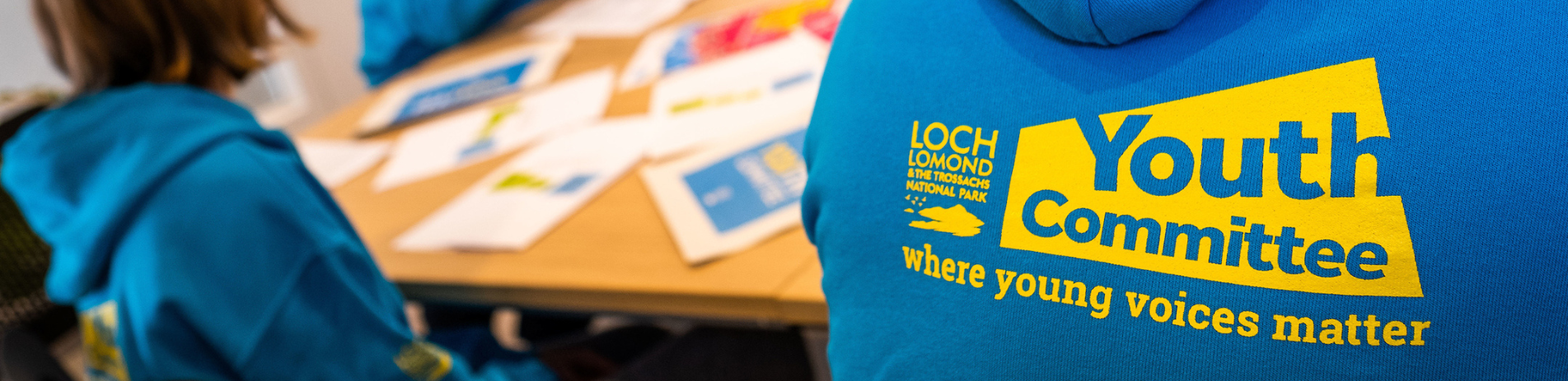
Back in 2022, during Scotland’s Climate Week, the National Park Youth Committee wrote a letter to our CEO, Gordon Watson. They were worried about the impacts of climate change in the National Park, and the wider world, and expressed that they wanted the National Park to be a catalyst for change.
Four years on, Gordon reflects on the commitments he made to them and the steps he said would be taken to protect the National Park for future generations:
Since I received the letter it made me and our team all the more determined that our new National Park Partnership Plan 2024-29 needed to be as ambitious and focussed as possible to ensure we are doing all we can to mitigate and adapt to climate change while tackling the nature crisis.
Two years into the delivery of that plan and we are now achieving and starting to exceed our annual targets for peatland restoration and woodland creation to store more carbon in our landscape while supporting healthier habitats and ecosystems.
As the Youth Committee highlighted in their letter, emissions from transport in the National Park is a huge concern. We decided that our focus in this area should be by providing alternative services to access and move around the Park without depending on cars. We’ve gone on to form a mobility partnership with all of the transport organisations in the National Park to change how transport services are planned and delivered. The success of the Trossachs Explorer pilot bus service and its adoption by Stirling Council have been the first steps in establishing that network of services. And I am delighted that the Youth Committee were integral in the development of that service which was enjoyed by many thousands of residents and visitors.
They also urged us to do more to raise awareness and encourage others to change their behaviours for the better. Our innovation and engagement work is centred around educating people and facilitating opportunities for people to feel empowered to make a difference, and our Nature Connections campaign inspires others by celebrating local nature champions, showing what is possible when people take action.
There is much still to do but I would like to thank the Youth Committee for helping set our course and insisting that we needed to be ambitious and do all we can for the future of our young people.
Gordon Watson