Up to £10 Million Funding Boost to Restore Woodlands and Support Local Communities
Up to £10 Million Funding Boost to Restore Woodlands and Support Local Communities in National Park
- Up to £10 million investment to restore woodlands covering an area over twice the size of Glasgow in Loch Lomond & The Trossachs National Park with The National Lottery Heritage Fund backing ambitious plans.
- Restoring some of the rarest woodland in the world, including temperate rainforest and ancient Caledonian pinewoods, while providing clean air, water, and flood prevention for communities
- Support for rural economies through job creation, practical training, sustainable business development, and improved local venison markets – demonstrating how nature recovery can deliver real economic opportunities
- Community-led conversation at scale – local communities will shape projects from the outset, putting communities at the heart of one of Scotland’s most ambitious nature restoration programmes
Loch Lomond & The Trossachs National Park Authority has been awarded over £670,000 by The National Lottery Heritage Fund to develop plans which could unlock a further £9.2 million for an ambitious, large-scale, long-term project to restore some of Scotland’s rarest woodlands, while creating new opportunities for local communities and supporting rural economies.
The funding will support the Loch Lomond & The Trossachs Landscape Connections initiative, a new partnership between the National Park Authority, RSPB Scotland, and Loch Lomond & The Trossachs Countryside Trust. The initial development funding is awarded ahead of a potential delivery grant of up to £9.2m for an eight-year programme that would restore woodland habitats and connect a wider woodland network covering an area more than twice the size of Glasgow.
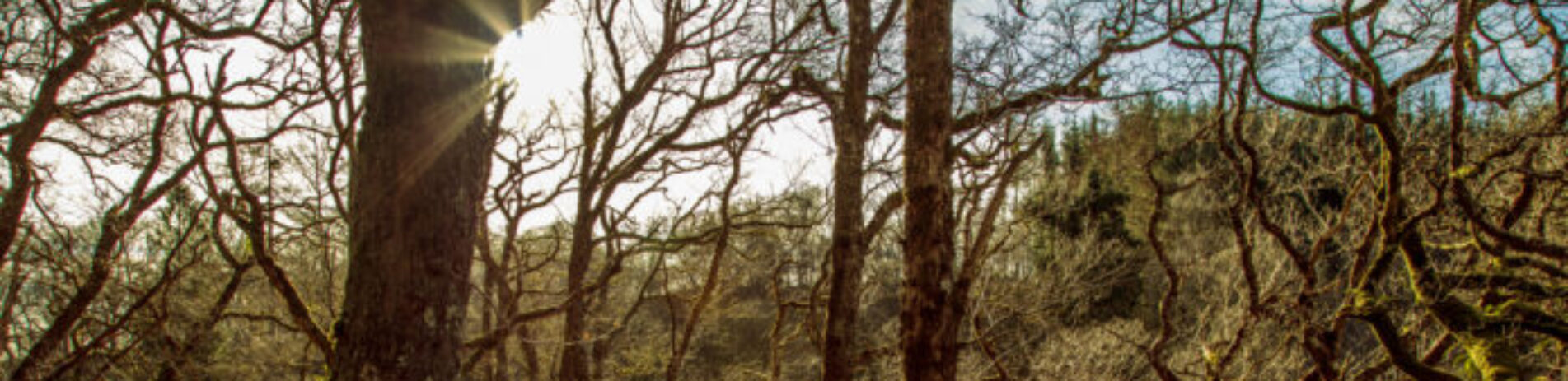
The initiative focuses on restoring a rich mix of globally threatened native woodland, some the rarest in the world, including temperate rainforest, ancient Caledonian pinewoods and upland woodland. These irreplaceable habitats support rare plants, birds like the black grouse and pied flycatcher, and provide vital benefits including clean air and water, flood prevention, and places for people to connect with nature.
Every aspect of the project will be designed and delivered alongside communities and partners to meaningfully embed people in long-term nature recovery. The project brings together multiple organisations via the National Park’s Future Nature Route Map, from community groups to conservation charities, councils to farming networks to fully harness and reflect local and national expertise and knowledge, ensuring learnings from previous nature restoration projects are reflected in future work.
Local communities will be integral from the outset, helping to shape projects that matter to them, including practical training and job creation, future proofing local sustainable businesses models, nature-friendly land management and improved deer management, making local venison more profitable and sustainable. Efforts will also focus on engaging and educating locals and visitors to experience, understand, and connect with nature and large-scale restoration efforts – to reduce negative environmental impact and visitor pressures.
The project is the second in Scotland to be announced as part of the Heritage Fund’s £150 million strategic initiative, Landscape Connections, which is supporting long-term projects to boost nature recovery and connect more people to our most treasured landscapes, across the UK. Around 20 projects will work with local communities, organisations, landowners and farmers to put entire landscapes and habitats into recovery.
Eilish McGuinness, Chief Executive of The National Lottery Heritage Fund, said: “Our first ever Landscape Connections initiative, announced last June, was for the Solway Firth’s coastal and marine habitats, and I’m delighted it’s joined today by the stunning landscapes of Loch Lomond & The Trossachs National Park.
“These precious habitats will be enhanced with National Lottery funding to deliver large-scale, long-term, support for nature recovery, connecting the rich cultural and natural heritage, and ensuring these special places are valued, cared for and sustained for everyone, now and in the future.”
Simon Jones, Director of Environment and Visitor Services, Loch Lomond & The Trossachs National Park Authority said: “Nature conservation at scale takes years of sustained, collective effort. There is no quick fix to habitat restoration, but this funding gives us the opportunity to embed long-term nature recovery processes with people, delivering benefits for decades to come.
“This project is designed to deliver systemic, people-centred nature recovery, working in partnership with local communities, farmers, and visitors to build a sustainable future where nature recovery creates real opportunities – new jobs, thriving businesses, and healthy landscapes that benefit everyone.
“Over the next two years, we’ll work closely with local people to shape detailed plans that reflect their knowledge and needs, from removing invasive rhododendron to training the next generation of conservation practitioners. If successful, this Development Phase could lead to an eight-year programme delivering one of Scotland’s most ambitious and accessible examples of nature restoration at scale, restoring globally rare habitats while ensuring the people who live, work and visit the National Park are at the heart of the solution.”
Alistair Whyte, Chief Executive, Loch Lomond & Trossachs Countryside Trust, said, “Loch Lomond & The Trossachs Landscape Connections could be transformational for the National Park and the communities which live and work here. Recovering and enhancing some of our rarest woodland habitats will take time and will only happen if local communities are front and centre of the process.
“This development funding will allow us to explore and create new ways of doing nature conservation which deliver lasting, tangible benefits for both people and nature. The Countryside Trust is delighted to be a partner in the initiative, and we look forward to working with local people to create a truly ground-breaking programme of nature recovery within some of our most treasured landscapes.”
Robert Coleman, RSPB Scotland Area Manager for Loch Lomond, said: “We’re thrilled to be involved in this partnership, which will see us work with a variety of stakeholders over the next two years to develop a range of projects and actions which will help deliver nature restoration at scale.
“A green skills initiative will be core to helping embed this in local communities.
“We will be looking to provide a wide range of training opportunities from practical habitat skills to wildlife identification and monitoring.
“By offering this to a diverse range of people we are hoping to get more activity focused on the key actions needed to deliver nature restoration across the landscapes, creating better places for nature and people.”