
Understanding Vessel Wake on Loch Lomond
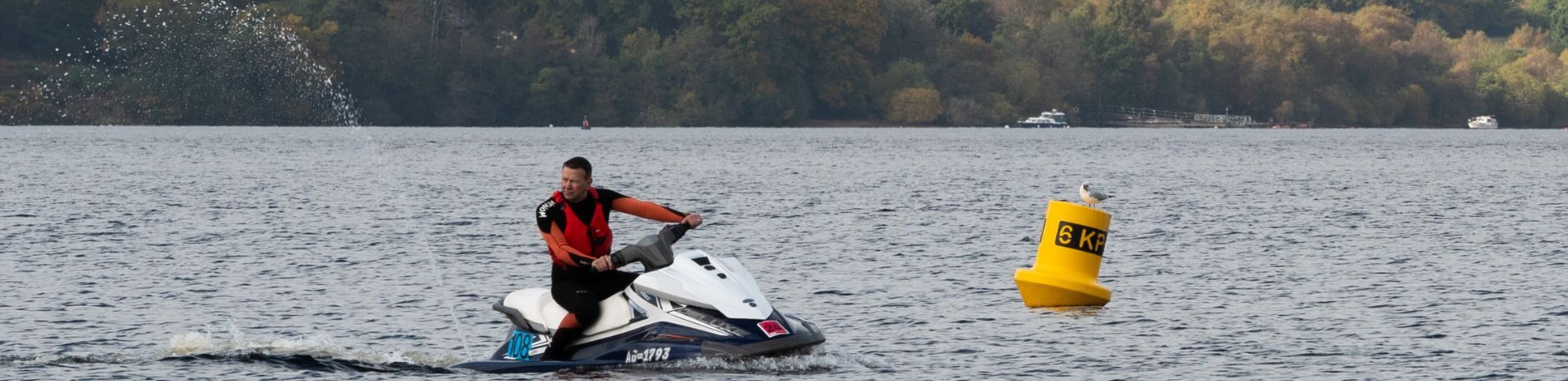
Vessel wake is the wave created when a motorised craft moves through the water. The wave’s size and strength depend on things like speed, hull shape, weight, water depth and how close the craft is to the shore. Although wake can seem minor, it can travel a long way and still have enough force to affect other loch users, damage property and disturb sensitive natural areas. Waves can also combine and create even larger waves at a significant distance from their source.
Why Wake Matters
Wake can create real safety risks for people on the water. Smaller vessels such as rowing boats, kayaks and paddleboards are especially vulnerable, as a sudden or large wave can tip them or knock someone off balance. Larger boats can also be rocked unexpectedly, putting passengers at risk of falling. These moments can be unsettling and are a common source of frustration between loch users.
Wake can also damage moored boats and shoreline infrastructure. In narrow or busy areas like the River Leven or near marinas, repeated wave action can push vessels against pontoons or loosen moorings. Over time, wake contributes to erosion and can harm fragile vegetation and wildlife habitats around the loch.
How to Reduce the Impact of Your Wake
Everyone using Loch Lomond plays a part in keeping the water safe and enjoyable. You can help minimise the impact of your wake by:
- Following all speed limits and adjusting your speed when conditions require it. Sometimes travelling below the limit is the safest option.
- Slowing down near smaller craft such as rowing boats, small dinghies or paddle propelled vessels and swimmers.
- Slowing down while passing moorings, jetties or anchored vessels.
- Respecting “No Wake” zones, including around the islands and on the River Leven.
- Staying aware of your surroundings and following the Rules of Navigation set out in the Loch Lomond Byelaws 2023.
Small changes in how you operate your craft can make a big difference to others and to the health of the loch.
Wake and the Loch Lomond Byelaws 2023
The Byelaws require all vessel masters to navigate with care, attention and consideration for others. This includes ensuring your wake does not cause danger or nuisance to people, wildlife or property.
If someone repeatedly ignores these responsibilities, the National Park Authority may report the incident to the Procurator Fiscal for offences such as Reckless or Negligent Navigation or Navigating without Due Care and Attention. Where a court finds an offence has been committed, fines of up to £500 per incident can be issued.
Our aim is always to encourage safe, respectful behaviour on the water – but we will take action when needed to protect people and the loch.