Skip to navigation
Back to top
Key topics for review
Key topics for review
Based on evidence gathered since the Byelaws were introduced in 2017, and discussions with key stakeholder groups, the following five topic areas have been identified as key issues to be considered in this Camping Management Byelaw Review.
How we guide our decisions
To make sure any updates are fair, practical, and truly beneficial for everyone who loves the Park, we test every potential change against a few simple questions:
- Is it backed by facts? – Do we have real-world evidence showing that a change is actually needed?
- Is it fair? – Is the proposed rule a reasonable and balanced reaction to the problem?
- Does it work in practice? – Can our teams on the ground easily explain and enforce it?
- Is it realistic? – How straightforward will it be for visitors and staff to put into action?
- What is the real-world impact? – Will this genuinely solve the issue without accidentally creating new problems for people?
- Are there better ways? – Can we fix the issue through better education or facilities instead of passing a new law?
Summary of the 5 core topics we are looking at
Select a topic below to jump directly to its full details and context:
- Topics with proposed changes:
- Topic areas we are not proposing changes to:
Topics with proposed changes
1. Fires and barbecues
- The proposed change: Fires must be contained and off the ground, and they must be extinguished if requested by a Ranger.
- The details: We are proposing to adjust the Byelaws to make it an offence to have a fire or barbecue directly on the ground. A contained fire off the ground—for example, in a portable fire pit or bowl—would be perfectly acceptable and would significantly reduce the impact on the environment. Additionally, visitors would be required to extinguish a fire if asked by a Ranger, should they deem the situation to pose a high risk (such as during periods of high wildfire risk or if there is a risk of damage to vegetation).
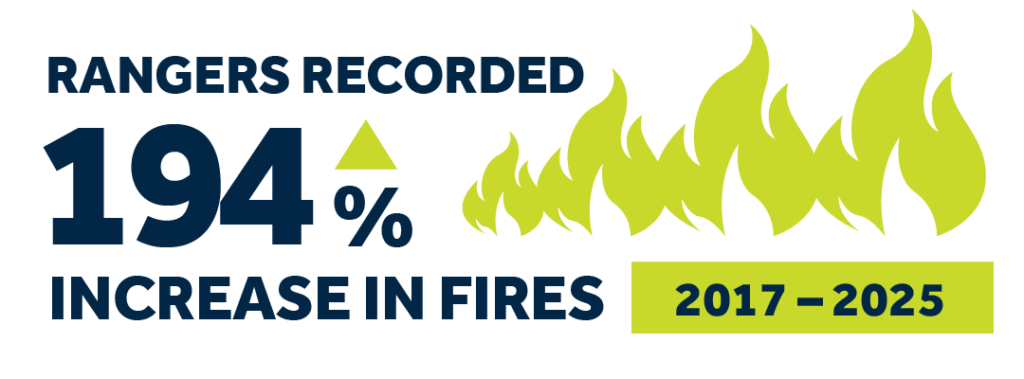
- The context: Evidence from Ranger patrols shows that the number of fires within the Camping Management Zones is increasing. At the same time, climate change is driving an increased risk of wildfires across the National Park and the rest of Scotland. The current Byelaws do not ban campfires entirely; they are in place to manage the damaging effects of campfires, the collection of deadwood, and damage to trees. In early discussions, stakeholders strongly supported further controls due to these environmental and wildfire risks. We believe this is a proportionate approach to protect the landscape as high wildfire warnings become more frequent.
2. Protection of staff
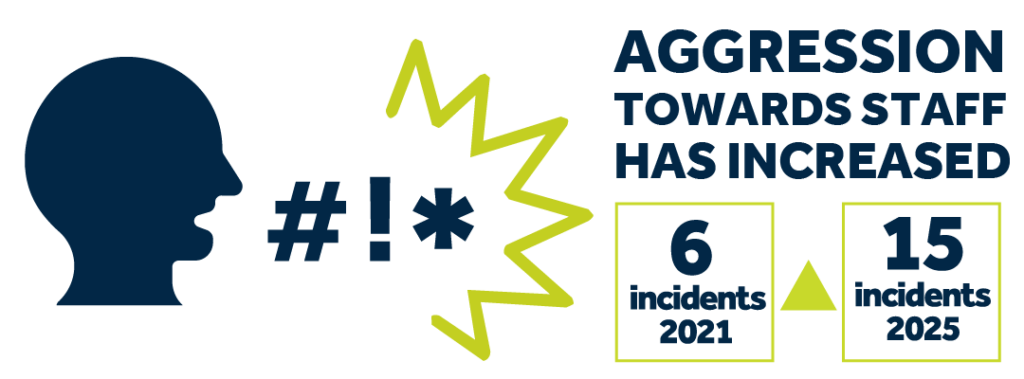
- The proposed change: Making it an offence to behave in an aggressive manner, threaten, or be abusive to a National Park Officer.
- The details: Currently, under the Byelaws, it is only an offence to obstruct a National Park Officer while they are carrying out their duties. The proposed change expands this definition to formally make it an offence to threaten, abuse, or behave aggressively toward an officer.
- The context: Unfortunately, Rangers are sometimes met with aggressive behaviour while doing their jobs and enforcing the Byelaws. This behavior is more common when the perpetrator is intoxicated. While this unacceptable behavior only comes from a small minority of campers, instances have increased in recent years. This type of behaviour will not be tolerated, and our staff deserve a safe working environment.
Topic areas we are not proposing changes to
3. Timing of the byelaws
- The status: No change is being proposed to the time period that the Byelaws are in effect.
- The details: The Camping Management Byelaws will continue to apply strictly from March to September. This timeframe covers the busiest times of the year, including the Easter and summer holidays, and the best weather for camping.
- The context: The peak months for camping permits and campsite bookings are May to August, which is when most enforcement happens. While March, April, and September are considered “shoulder months” with significantly lower booking numbers, March can still see warm weather spikes. These spikes attract high volumes of campers, particularly if the Easter holiday falls early in the year. When the Byelaws were first developed, extending them into October was considered, but Scottish Government Ministers felt an eight-month period would not be proportionate.
4. Areas covered by the byelaws
- The status: The boundaries of the current Camping Management Zones will remain exactly as they are.
- The details: The existing boundaries are well established, well supported, and clearly understood. Making minor changes would only bring additional costs and complicate communications for visitors.
- The context: These zones were originally identified using data from 2011 to target areas facing the highest camping volumes, while remaining large enough to avoid simply displacing campers into neighboring local areas. Evidence shows these zones continue to be the most popular places to camp. Because compliance remains high and complaints about displacement are very low, there is no trend to warrant expanding the zones. Several locations were highlighted for potential inclusion through early discussions with stakeholders and these have been assessed across our guiding questions. Some suggested areas are not being proposed as they did not meet the evidence threshold, while other sites that did meet the threshold are better managed through alternative measures like infrastructure improvements and parking restrictions. No areas have been considered for removal as the current boundaries work well.
5. Motorhomes and campervans
- The status: No change is being proposed to the Byelaws regarding motorhomes and campervans.
- The details: The National Park Authority will continue to enforce existing vehicle-based camping Byelaws wherever possible, but we are not adding new regulatory restrictions for motorhomes or campervans.
- The context: The popularity of these vehicles is booming, with motorhome permit bookings rising by 128%. This popularity brings challenges regarding waste disposal and crowded car parks. However, the Byelaws are legally limited because they cannot be applied to areas considered public roads under the Roads (Scotland) Act 1984—which includes the very laybys and parking areas where campervans often set up encampments. Instead of passing ineffective byelaws, the solution lies in building better infrastructure. We will focus our efforts on working with landowners and partners to increase dedicated motorhome parking areas and proper waste disposal facilities to manage the impact.