Deer Management Incentive Scheme
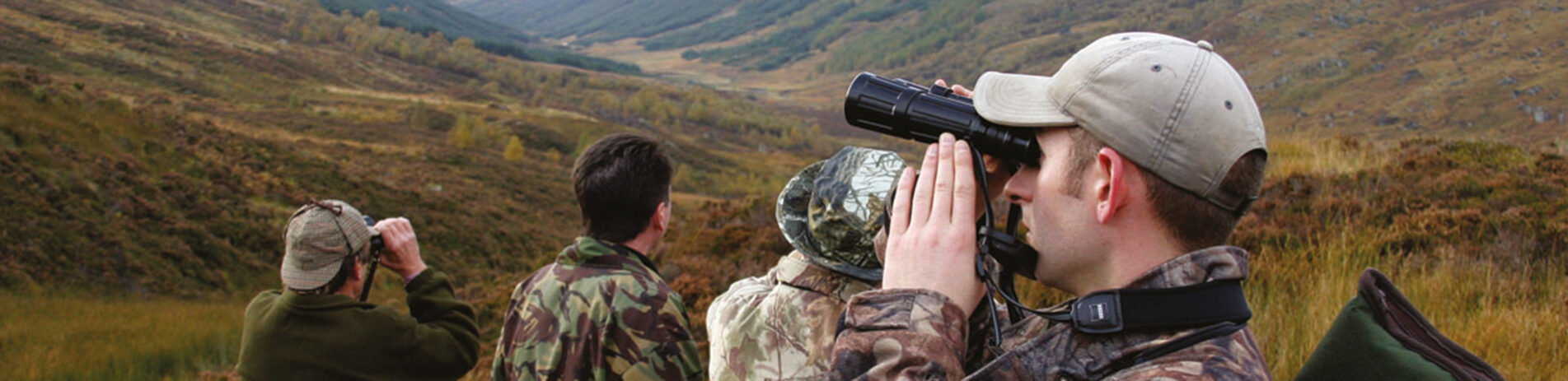
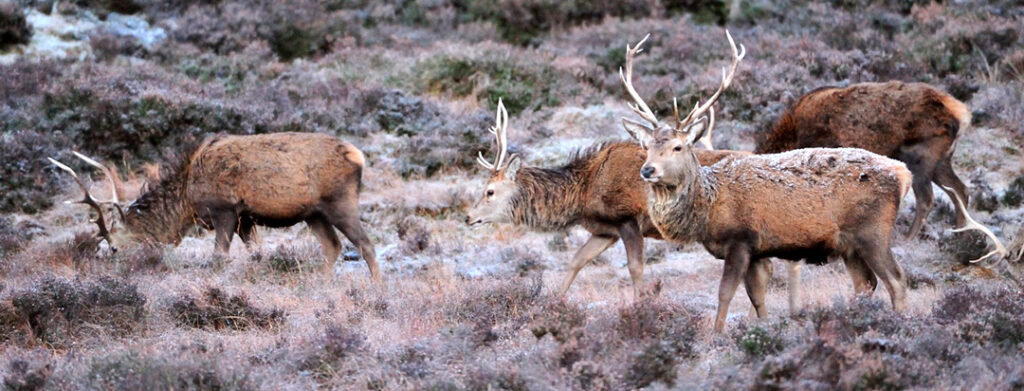
Our Deer Management Incentive Scheme helps to tackle herbivore pressure in the National Park,
one of the four key pressures to nature identified in our Future Nature Route Map, by encouraging sustainable deer management.
Globally and in Scotland, nature is in decline and we face a climate emergency. Greater urgency is required to meet the challenges of these twin crises and the Scottish Biodiversity Strategy sets ambitious targets to halt nature loss by 2030 and deliver nature restoration across Scotland by 2045.
Sustainable deer management is vital if we are to bring populations into balance with the rest of nature through:
- forest regeneration
- woodland creation
- peatland restoration and
- habitat improvement
Real progress has been made, but a significant reduction in wild deer numbers is required if we are to meet the ambitious but necessary targets to restore nature and reach net-zero.
The Loch Lomond & The Trossachs National Park (LLTNP) Deer Management Incentive Scheme launches on Wednesday 1st October 2025 and is designed to encourage higher female and juvenile deer culls in the National Park by offering a financial incentive.
Who can apply?
Participation in the incentive scheme is open to those with the legal right to take or kill deer on any landholding that has land within the LLTNP boundary. If a landholding is partly within the LLTNP boundary, then the whole landholding area will be eligible for the scheme.
What we fund?
- A landholding must cull a minimum of 3 adult female or juveniles of any species of deer per 1 km2 (100ha) to trigger payment. Landholdings will receive a back payment for all deer (females or juveniles) culled at or above 2.5 deer per 1 km2.
- For example, if a landholding is 10km2, then the land manager will need to kill a minimum of 30 female or juvenile deer of any species to trigger the incentive payment. They will then be paid for every deer they kill from deer number 25 and up.
- Once the minimum cull of 3 deer per 1 km2 has been met, payment will be made for all female and juvenile deer culled at or above 2.5 deer per 1 km2 at a rate of:
- £100 per animal for any adult female or juvenile (male or female under one year of age) red, sika or fallow deer.
- £70 per animal for any adult female or juvenile (male or female under one year of age) roe deer.
- All participants must use the NatureScot Deer App and associated tagging system, or an alternative app approved by NatureScot.
How to apply
Full details of the scheme conditions can be found here and you can apply for the incentive scheme here. You can also read the scheme’s Privacy Policy here.
If you are interested in applying to the scheme and would like help to work out what payments you could expect to receive for current or projected cull returns then please get in touch with us at deer@lochlomond-trossachs.org, or contact your NatureScot Wildlife Management Officer.
This is year one of what we hope to be a three year pilot scheme. The scheme criteria have been set at the current threshold to ensure that culling is additional to the average levels currently recorded in Loch Lomond & The Trossachs National Park, but we recognise that these criteria will not suit everyone. Success of the scheme will be dependent on participant uptake and feedback in year one, and we will review as needed in future years.